Halal Enzymes for Meat Tenderizing and Further Processing Plants
Tough or uneven cuts, complaints about bite, and purge after tumbling are production problems first. For a halal plant they are also an approval problem: any enzyme that fixes texture has to pass QA, the halal committee and the customer's audit file before it reaches the line.
Enzymetrust supplies tenderizing enzymes to halal meat processors, co-packers, marinade and seasoning blenders, and ingredient distributors who serve those plants. We work on marination, injection, tumbling, formed products and further-processed meat, with the focus on controlled tenderization, residue awareness, yield consistency and documentation your reviewers can sign off.
To start a quote, send the product you need, the quantity (trial lot and expected monthly volume) and the destination country. Pricing, pack format and lead time are quoted per order.
Who we supply
- Halal meat processors running beef, mutton, lamb, poultry and value-added lines
- Co-packers and private-label producers making marinated, portioned or ready-to-cook halal products
- Marinade, brine and seasoning blenders that build a tenderizing function into their own systems
- Ingredient distributors and resellers supplying halal meat plants in their region
Enzyme supply built around halal processing controls
Halal meat processors manage strict expectations across raw material approval, ingredient review, segregation, production records, and finished-product release. Enzyme selection must fit that environment.
Enzymetrust helps teams evaluate enzyme options with the controls that matter in a halal meat plant:
- Halal suitability and certification documentation where applicable
- Lot traceability and supplier documentation packages
- Specification sheets and safety data sheets
- Allergen, GMO, and origin statements when required
- Compatibility review for marinades, brines, salt systems, and processing conditions
- Plant trial support to confirm texture, yield, and handling outcomes
We do not treat tenderizing enzymes as a one-line ingredient purchase. We help define how the enzyme will be used, documented, controlled, and repeated.
Where halal meat processors use tenderizing enzymes
Tenderizing enzymes may be used in several controlled meat-processing applications, depending on the product format, process design, and target bite.
Marinated whole-muscle products
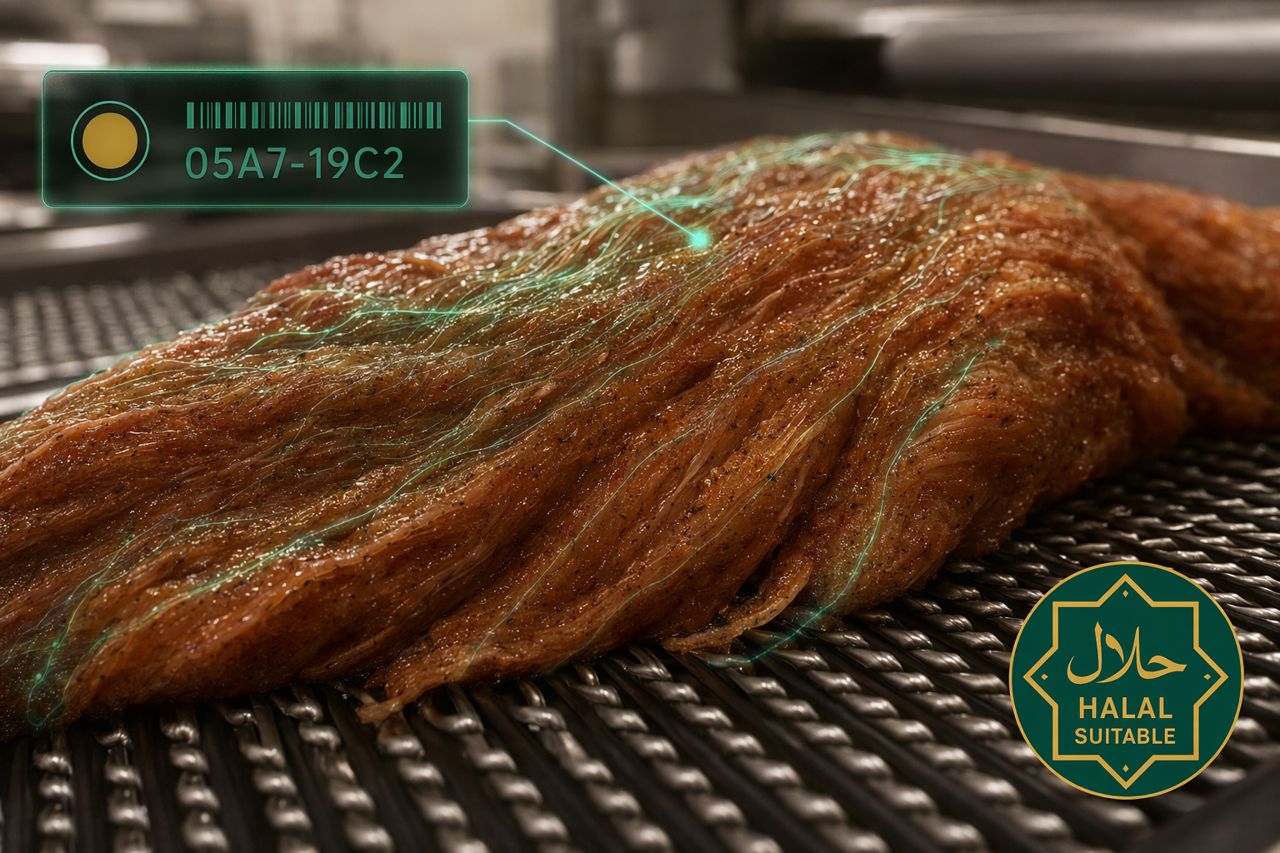
For beef, mutton, lamb, poultry, and value-added cuts, enzyme systems can support more consistent tenderness when variation in incoming raw material creates customer complaints or cooking inconsistency.
Injection and tumbling systems
In injected or tumbled products, enzymes must be evaluated against brine composition, mixing sequence, hold time, temperature control, and distribution uniformity. The objective is predictable tenderization without mushy texture, excessive purge, or inconsistent bite.
Further-processed halal meats
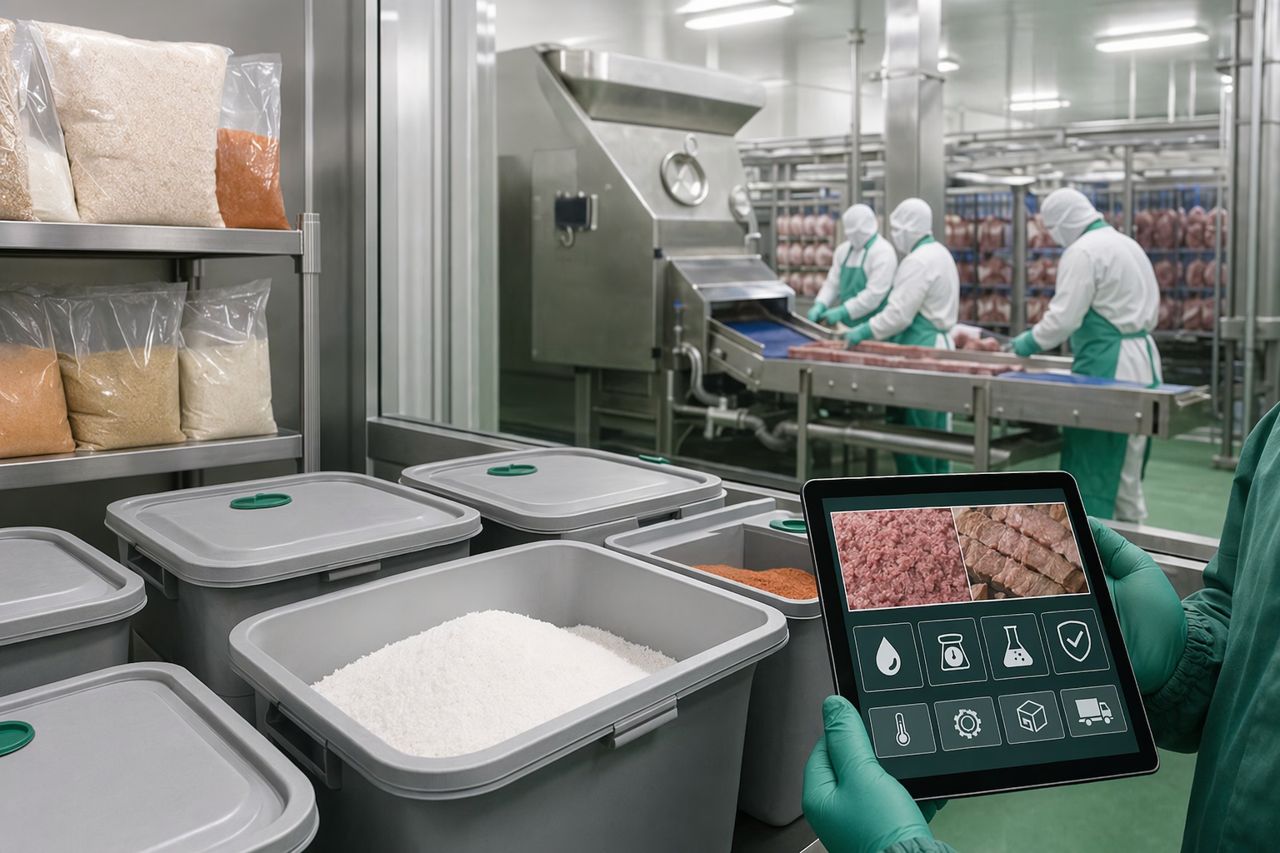
For formed, sliced, cooked, or ready-to-cook halal meat products, enzyme choice should be aligned with downstream processing. Enzymetrust helps review the full process path so texture improvement does not create issues during slicing, packing, chilling, or reheating.
By species and line
| Line | Typical problem | What the enzyme program has to deliver |
|---|---|---|
| Beef and mutton cuts | Natural texture variation between cuts and raw material lots | Better, more even bite without excessive softening |
| Poultry and portioned meat | Balancing tenderness with yield and brine compatibility | A format, dosing approach and contact time that fit the brine and the line |
| Kebab, strips, restructured and ready-to-cook items | Batch-to-batch texture drift in value-added products | Texture standardization that holds through cooking, chilling and reheating |
What QA managers should confirm before approving an enzyme supplier
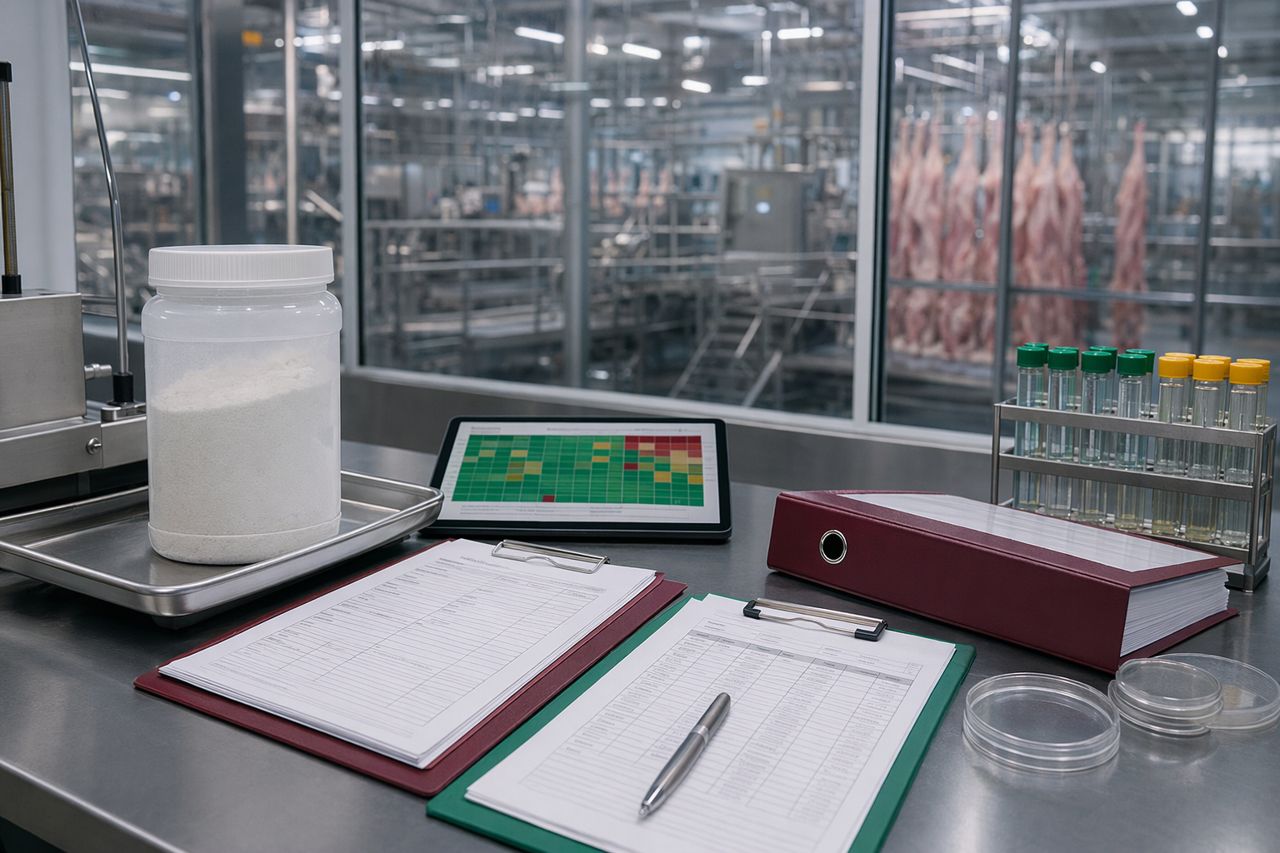
A tenderizing enzyme can affect product quality, label review, customer specifications, and audit files. Before approval, QA teams should request a complete review package, not only a price offer.
Key checks include:
| QA concern | What to confirm |
|---|---|
| Halal compliance | Availability of halal documentation and suitability statements for the supplied material |
| Traceability | Lot identification, batch records, and certificate availability |
| Ingredient risk | Origin, allergen status, GMO position, and processing aid considerations |
| Process fit | Compatibility with marinade chemistry, temperature window, and hold time |
| Texture control | Trial plan for target tenderness, bite, purge, and over-tenderization risk |
| Procurement continuity | Bulk lead time, packaging format, documentation consistency, and repeat supply |
Enzymetrust is structured to support this level of review before scale-up.
Controlled tenderization without unnecessary plant disruption
The best enzyme program is one operators can run consistently. We help processors assess practical production variables such as:
- Point of addition in the brine, marinade, or seasoning system
- Contact time before cooking, chilling, or packing
- Raw material variability across suppliers and cuts
- Mixing, injection, or tumbling coverage
- Temperature control during holding and processing
- Finished-product texture targets and customer specifications
The goal is not aggressive tenderization. The goal is repeatable tenderization that fits your plant controls and finished-product expectations.
Documentation package for purchasing and audit review
Procurement teams often need fast supplier comparison, while QA teams need confidence before approval. Enzymetrust supports both sides with documentation that can be reviewed internally before purchase commitment.
Available documentation may include, depending on the selected enzyme product and supply format:
- Product specification sheet
- Safety data sheet
- Halal certificate or halal suitability documentation
- Certificate of analysis or lot-specific quality record
- Allergen statement
- GMO status statement
- Country of origin or manufacturing-origin information where available
- Storage and handling guidance
- Packaging and shelf-life information
If your customer or certifying body has a specific documentation format, share it during the quote request so we can confirm availability early.
Plant trial support before full-scale supply
Enzymetrust supports structured plant trials so teams can compare enzyme performance against current process conditions. A typical review may include:
- Product type and target market requirements
- Current pain point, such as toughness variation, purge, chewiness, or yield loss
- Processing method, including marination, injection, tumbling, cooking, chilling, or packing
- Texture target and unacceptable outcomes
- Documentation needed for QA approval
- Expected purchasing volume and supply schedule
From there, we can recommend a suitable enzyme direction and help define trial checkpoints. Tenderizing performance depends on raw material, process time, temperature, brine composition, pH, salt level, mechanical action and downstream heat treatment, so a trial is run before any bulk commitment. Typical checkpoints:
- Sensory and texture checks against your internal standard
- Yield and purge observation
- Hold-time and inactivation review
- QA documentation review before scale-up
The goal is a controlled, documented process your QA and production teams can approve.
Why processors choose Enzymetrust
Halal meat processors need a supplier that understands both production reality and compliance expectations. Enzymetrust provides:
- Bulk enzyme sourcing for industrial meat-processing use
- QA-minded documentation support
- Halal-focused ingredient review
- Practical guidance for plant trials
- Reliable communication for procurement planning
- Technical restraint: recommendations based on process fit, not exaggerated claims
We help your team move from inquiry to approval with fewer unknowns.
Request a quote
Wholesale and bulk supply is quoted per order. Send your inquiry through the on-site form and include:
- Product: the function you need (tenderizing, texture standardization) or the enzyme you already use
- Quantity: trial lot size and expected monthly or annual volume
- Destination: delivery country and any halal documentation your market or certifier requires
- Application: meat type, product format and process method (marinade, injection, tumbling, further processing)
- Packaging and storage: preferred bulk format, storage and transport conditions
- Approvals: label, allergen or customer approval requirements, and your trial timeline
Enzymetrust will review your requirements and respond with a focused supply recommendation, documentation availability, and quotation path.