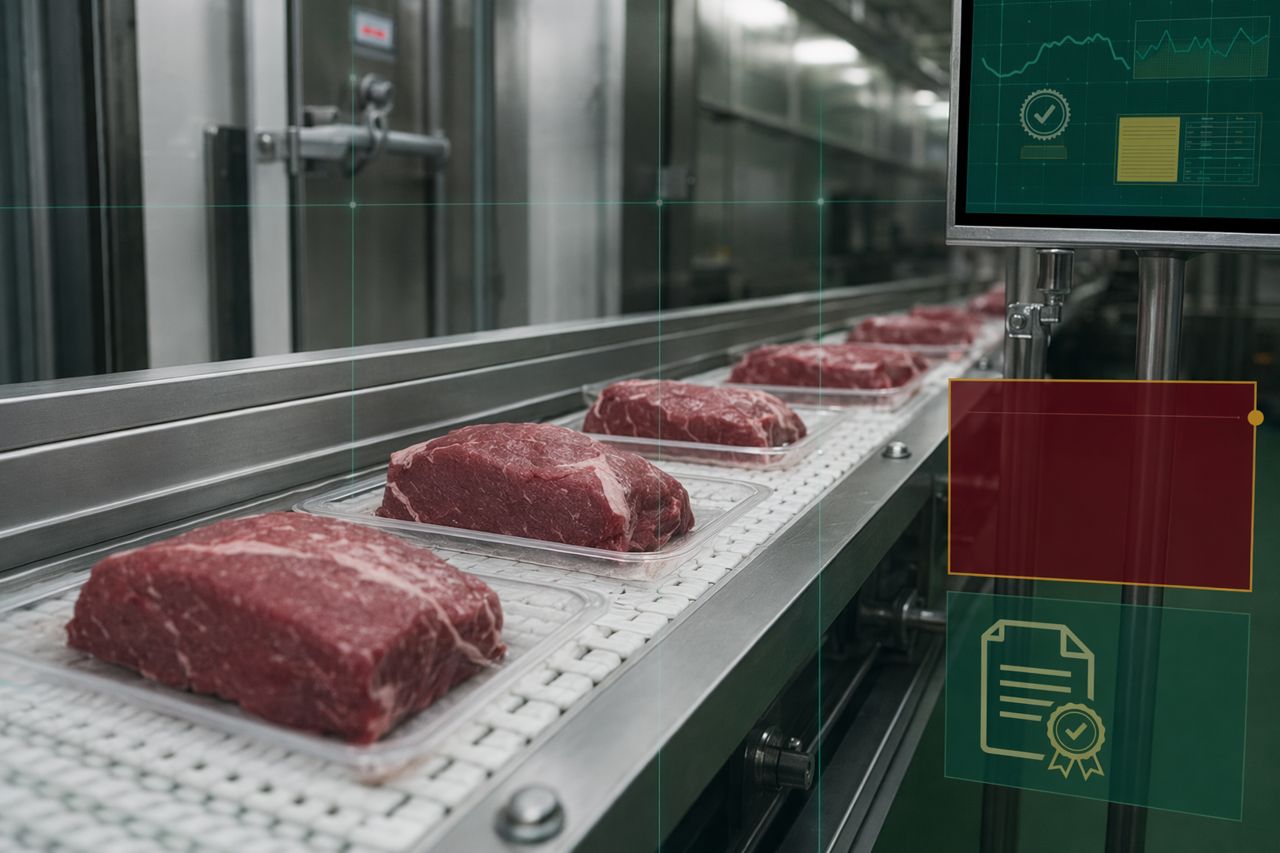
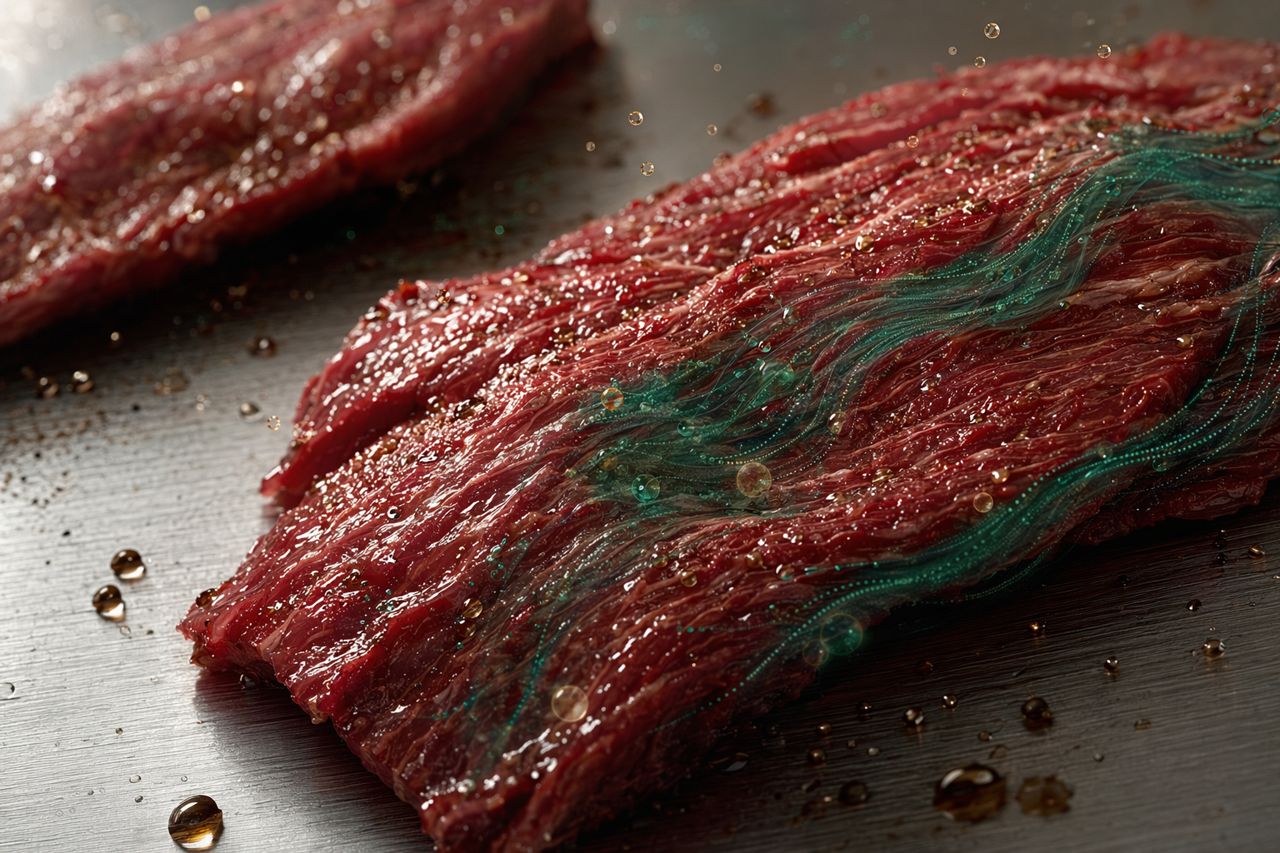
Enzyme for Halal Beef Processing: Tenderizing, Marinade, and QA Approval Guide
Amanah Catalytics supplies enzyme solutions for halal beef processors that need controlled tenderizing, reliable marinade performance, and documentation-ready ingredient approval. If your plant is managing tough cuts, value-added beef lines, injection systems, or tumbling processes, the right enzyme program can help improve bite consistency without compromising halal assurance or QA control.
As a halal enzyme supplier for meat processing, we focus on practical plant outcomes: consistent tenderness, validated use levels, clean ingredient traceability, residue control planning, and supplier documentation that supports halal, QA, procurement, and audit teams.
Where Enzymes Fit in Halal Beef Plants
Enzymes are used in beef processing to modify protein structure in a controlled way. For halal processors, the key is not simply whether an enzyme can tenderize meat. The key is whether it can be approved, documented, dosed, controlled, and repeated in a real production environment.
Typical use cases include:
- Tenderizing tougher beef cuts for portioned products
- Improving bite consistency in marinated beef
- Supporting injection and vacuum tumbling systems
- Enhancing value-added beef strips, cubes, steaks, and ready-to-cook items
- Reducing batch-to-batch variability in lower-value raw material streams
- Helping QA define process limits for texture, yield, and sensory acceptance
Amanah Catalytics helps processors evaluate enzyme options with halal suitability, application fit, and plant trial practicality in mind.
Common Halal Beef Applications
1. Beef Tenderizing Programs
For processors handling variable raw material quality, enzyme tenderizing can help improve eating quality while maintaining process discipline. Selection depends on the cut, product thickness, contact time, temperature profile, marinade composition, and final cook or chilling conditions.
Our role is to help your team identify an enzyme approach that supports:
- Repeatable texture improvement
- Reduced risk of over-softening
- Compatibility with existing processing steps
- Sensory acceptance across target products
- Clear QA approval and usage instructions
2. Marinade and Injection Systems
Enzymes may be incorporated into marinade systems where distribution, contact time, and ingredient compatibility are critical. The enzyme must disperse predictably and perform within the plant’s actual marinade conditions.
We evaluate compatibility with:
- Salt and phosphate systems, where permitted by your formulation standard
- Spice and flavor blends
- Liquid marinade concentrates
- Injection brines and recirculation systems
- Vacuum tumbling and massaging processes
- Chilled holding and downstream cooking steps
3. Value-Added Halal Beef Products
For halal beef strips, cubes, fajita-style products, marinated steaks, grill-ready items, and prepared meal components, enzyme use can support a more consistent bite across finished goods.
This is especially useful when procurement receives cuts with natural variability in connective tissue, age profile, or trim quality. A controlled enzyme program can help QA and production teams reduce surprises without changing the identity of the product.
Halal Suitability and Documentation Readiness
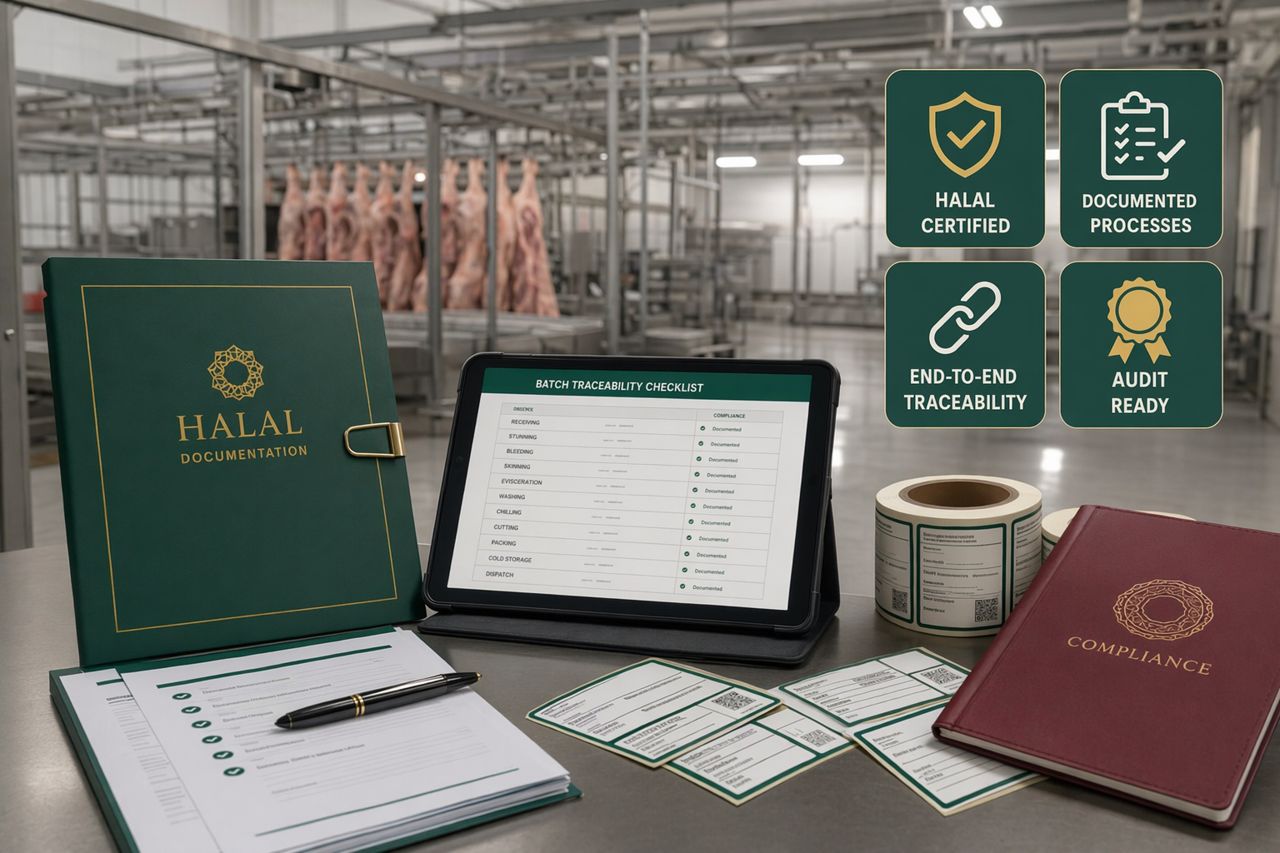
For halal meat processors, ingredient approval requires more than a technical data sheet. Amanah Catalytics supports QA and procurement teams with documentation packages aligned to ingredient review, supplier onboarding, and audit preparation.
Available documentation may include, as applicable:
- Halal status documentation from the manufacturing source
- Ingredient origin and source declarations
- Allergen statements
- GMO status statements, where applicable
- Composition and carrier information
- Food-grade manufacturing declarations
- Safety data documentation
- Country-of-origin and traceability information
- Lot-level documentation and certificates of analysis
- Shelf-life, storage, and handling guidance
Our team can help you confirm whether the enzyme source, processing aids, carriers, and auxiliary materials align with your halal certification body’s expectations.
Residue Control and Process Control
QA teams often ask the right question early: how do we control the enzyme after it has done its work?
Amanah Catalytics supports process planning around defined control points, including:
- Time and temperature exposure
- Product thickness and enzyme distribution
- Marinade uptake and contact consistency
- Chilling or cooking steps
- Finished texture limits
- Hold-time restrictions
- Cleaning and changeover considerations
- Label and formulation review, depending on local regulations
The goal is not uncontrolled tenderizing. The goal is a documented, repeatable processing window that gives production the texture improvement it wants and gives QA the control evidence it needs.
Choosing the Right Enzyme for Halal Beef
Different enzyme types behave differently in beef systems. Selection should be based on the finished product target, not only on a generic tenderizing claim.
Amanah Catalytics reviews key parameters such as:
- Beef cut and muscle structure
- Desired tenderness level
- Marinade format and addition method
- Injection, tumbling, soaking, or surface application
- Chilled process time
- Cooked versus raw marinated product format
- Packaging and shelf-life expectations
- Sensory tolerance for texture changes
- Halal documentation requirements
This helps avoid common issues such as uneven tenderizing, excessive softening, purge changes, or inconsistent performance between batches.
Plant Trial Support for QA Approval
A controlled plant trial is usually the fastest way to determine whether an enzyme program is suitable. Amanah Catalytics can support your trial planning so QA, R&D, production, and procurement are aligned before the first batch runs.
A practical trial plan may include:
- Product definition: cut type, finished format, target bite, packaging, and intended cooking method.
- Process mapping: marinade preparation, addition point, mixing, tumbling, holding, cooking, chilling, and packaging.
- Trial variables: enzyme option, addition range, contact time, temperature window, and distribution method.
- Control samples: untreated or current-process batches for comparison.
- Evaluation criteria: texture, yield, purge, slicing behavior, sensory acceptance, and process repeatability.
- QA review: halal documentation, lot traceability, handling instructions, and internal approval records.
The result is a decision package your team can use for specification, procurement, and standard operating procedures.
Supplier Reliability for Halal Meat Processors
Amanah Catalytics is built for industrial buyers who need more than a product name. We support repeat supply, documentation continuity, and technical communication for QA-led procurement.
Processors work with us for:
- Halal-focused ingredient screening
- Technical fit for beef processing conditions
- Documentation support before approval
- Lot traceability and supply planning
- Practical guidance for plant trials
- Clear communication with QA and purchasing teams
- Scalable supply for recurring production needs
If your plant is qualifying a new enzyme, replacing a current supplier, or launching a value-added halal beef line, we can help you compare options before committing to production-scale use.
What to Provide When Requesting a Quote
To recommend a suitable enzyme option, please share as much detail as your team can provide:
- Beef product type and cut
- Current processing method
- Tenderness or yield objective
- Marinade or injection system details
- Chilled holding and cooking steps
- Halal documentation requirements
- Target launch timeline
- Approximate monthly usage or production volume
- Any restricted ingredients or certification-body requirements
This allows us to respond with a practical recommendation, documentation pathway, and commercial quote.
FAQ: Enzymes for Halal Beef Processing
Can enzymes be suitable for halal beef processing?
Yes, but suitability depends on the enzyme source, manufacturing process, carriers, auxiliary materials, and the requirements of your halal certification body. Amanah Catalytics supports halal-focused documentation review before plant approval.
Are enzymes used only for tenderizing?
Tenderizing is the most common beef application, but enzymes may also support consistency in marinated, tumbled, injected, or value-added beef products where bite quality varies by raw material.
Can enzymes be used in injection or tumbling systems?
Yes, depending on the enzyme type and formulation design. Distribution, contact time, marinade composition, and process temperature must be reviewed to avoid uneven or excessive tenderizing.
How do we avoid over-tenderizing?
Over-tenderizing is controlled through correct enzyme selection, defined use range, process timing, temperature control, product thickness management, and final QA evaluation. Plant trials are strongly recommended.
What documentation is available for QA approval?
Depending on the selected material, documentation may include halal status documentation, ingredient origin, allergen information, GMO status, carrier details, technical data, safety documentation, certificate of analysis, and traceability records.
Request a Quote
If your halal beef plant is evaluating enzyme options for tenderizing, marinades, injection systems, tumbling, or value-added beef products, Amanah Catalytics can help you identify a documentation-ready solution for plant trials and commercial supply.